Can emotional intelligence be trained? A meta-analysis
Please cite this article as: Mattingly, V., Human Resource Management Review (2018), https://doi.org/10.1016/j.hrmr.2018.03.002
Victoria Mattingly, Kurt Kraiger
Keywords: Emotional intelligence, Training Meta-analysis
A B S T R A C T
Human resource practitioners place value on selecting and training a more emotionally in-telligent workforce. Despite this, research has yet to systematically investigate whether emo-tional intelligence can in fact be trained. This study addresses this question by conducting a meta-analysis to assess the effect of training on emotional intelligence, and whether effects are mod-erated by substantive and methodological moderators. We identified a total of 58 published and unpublished studies that included an emotional intelligence training program using either a pre-post or treatment-control design. We calculated Cohen's d to estimate the effect of formal training on emotional intelligence scores. The results showed a moderate positive effect for training, regardless of design. Effect sizes were larger for published studies than dissertations. Effect sizes were relatively robust over gender of participants, and type of EI measure (ability v. mix-edmodel). Further, our effect sizes are in line with other meta-analytic studies of competency-based training programs. Implications for practice and future research on EI training are discussed.
See prior Gei posts here and here.
- Posted using BlogPress from my iPad

Understanding the human brain clock & related neuroscience
Saturday, June 02, 2018


Thursday, May 24, 2018
Genetic Mutations Help ID New Brain Development Disorder
Genetic Mutations Help ID New Brain Development Disorder
https://psychcentral.com/news/2018/05/24/genetic-mutations-help-id-new-brain-development-disorder/135638.html
Sent from Flipboard
Monday, May 21, 2018
Mindfulness training induces structural connectome changes in insula networks

Mindfulness training induces structural connectome changes in insula networks
https://www.nature.com/articles/s41598-018-26268-w
Sent from Flipboard
Thursday, May 17, 2018
Interactive Metronome study: Clapping in time parallels literacy and calls upon overlapping neural mechanisms in early readers
Clapping in time parallels literacy and calls upon overlapping neural mechanisms in early readers
Annals of the New York Academy Of Science. Article link here.
Link to complete paper at IM site.
Silvia Bonacina Jennifer Krizman Travis White‐Schwoch Nina Krau
Abstract
The auditory system is extremely precise in processing the temporal information of perceptual events and using these cues to coordinate action. Synchronizing movement to a steady beat relies on this bidirectional connection between sensory and motor systems, and activates many of the auditory and cognitive processes used when reading. Here, we use Interactive Metronome, a clinical intervention technology requiring an individual to clap her hands in time with a steady beat, to investigate whether the links between literacy and synchronization skills, previously established in older children, are also evident in children who are learning to read. We tested 64 typically developing children (ages 5–7 years) on their synchronization abilities, neurophysiological responses to speech in noise, and literacy skills. We found that children who have lower variability in synchronizing have higher phase consistency, higher stability, and more accurate envelope encoding—all neurophysiological response components linked to language skills. Moreover, performing the same task with visual feedback reveals links with literacy skills, notably processing speed, phonological processing, word reading, spelling, morphology, and syntax. These results suggest that rhythm skills and literacy call on overlapping neural mechanisms, supporting the idea that rhythm training may boost literacy in part by engaging sensory‐motor systems.
- Posted using BlogPress from my iPad
Annals of the New York Academy Of Science. Article link here.
Link to complete paper at IM site.
Silvia Bonacina Jennifer Krizman Travis White‐Schwoch Nina Krau
Abstract
The auditory system is extremely precise in processing the temporal information of perceptual events and using these cues to coordinate action. Synchronizing movement to a steady beat relies on this bidirectional connection between sensory and motor systems, and activates many of the auditory and cognitive processes used when reading. Here, we use Interactive Metronome, a clinical intervention technology requiring an individual to clap her hands in time with a steady beat, to investigate whether the links between literacy and synchronization skills, previously established in older children, are also evident in children who are learning to read. We tested 64 typically developing children (ages 5–7 years) on their synchronization abilities, neurophysiological responses to speech in noise, and literacy skills. We found that children who have lower variability in synchronizing have higher phase consistency, higher stability, and more accurate envelope encoding—all neurophysiological response components linked to language skills. Moreover, performing the same task with visual feedback reveals links with literacy skills, notably processing speed, phonological processing, word reading, spelling, morphology, and syntax. These results suggest that rhythm skills and literacy call on overlapping neural mechanisms, supporting the idea that rhythm training may boost literacy in part by engaging sensory‐motor systems.
- Posted using BlogPress from my iPad
Wednesday, May 16, 2018
Higher intelligence related to more efficiently organized brains-bigger/larger not always better

Click on image to enlarge
Diffusion markers of dendritic density and arborization in gray matter predict differences in intelligence. Article link.
Erhan Genç, Christoph Fraenz, Caroline Schlüter, Patrick Friedrich, Rüdiger Hossiep, Manuel C. Voelkle, Josef M. Ling, Onur Güntürkün, & Rex E. Jung
Abstract
Previous research has demonstrated that individuals with higher intelligence are more likely to have larger gray matter volume in brain areas predominantly located in parieto-frontal regions. These findings were usually interpreted to mean that individuals with more cortical brain volume possess more neurons and thus exhibit more computational capacity during reasoning. In addition, neuroimaging studies have shown that intelligent individuals, despite their larger brains, tend to exhibit lower rates of brain activity during reasoning. However, the microstructural architecture underlying both observations remains unclear. By combining advanced multi-shell diffusion tensor imaging with a culture-fair matrix-reasoning test, we found that higher intelligence in healthy individuals is related to lower values of dendritic density and arborization. These results suggest that the neuronal circuitry associated with higher intelligence is organized in a sparse and efficient manner, fostering more directed information processing and less cortical activity during reasoning.
From discussion
Taken together, the results of the present study contribute to our understanding of human intelligence differences in two ways. First, our findings confirm an important observation from previous research, namely, that bigger brains with a higher number of neurons are associated with higher intelligence. Second, we demonstrate that higher intelligence is associated with cortical mantles with sparsely and well-organized dendritic arbor, thereby increasing processing speed and network efficiency. Importantly, the findings obtained from our experimental sample were confirmed by the analysis of an independent validation sample from the Human Connectome Project25
- Posted using BlogPress from my iPad
Tuesday, May 08, 2018
Gates, Zuckerberg team up on new education initiative

Gates, Zuckerberg team up on new education initiative
From Education, a Flipboard topic
Tech moguls Bill Gates and Mark Zuckerberg said Tuesday they will team up to help develop new technologies for kids with trouble learning — an…
Read it on Flipboard
Read it on foxbusiness.com
Sunday, May 06, 2018
The salience brain network and personality (self-directedness; cognitive control)
Abstract:
A prevailing topic in personality neuroscience is the question how personality traits are
reflected in the brain. Functional and structural networks have been examined by functional and structural magnetic resonance imaging, however, the structural correlates of functionally defined networks have not been investigated in a personality context. By using the Temperament and Character Inventory (TCI) and Diffusion Tensor Imaging (DTI), the present study assesses in a sample of 116 healthy participants how personality traits proposed in the framework of the biopsychosocial theory on personality relate to white matter pathways delineated by functional network imaging. We show that the character trait self-directedness relates to the overall microstructural integrity of white matter tracts constituting the salience network as indicated by DTI-derived measures. Self-directedness has been proposed as the executive control component of personality and describes the tendency to stay focused on the attainment of long-term goals. The present finding corroborates the view of the salience network as an executive control network that serves maintenance of rules and task-sets to guide ongoing behavior.
Click here for info regarding one of the better brain network overview articles by Bressler and Menon.
Click on image to enlarge

- Posted using BlogPress from my iPad
A prevailing topic in personality neuroscience is the question how personality traits are
reflected in the brain. Functional and structural networks have been examined by functional and structural magnetic resonance imaging, however, the structural correlates of functionally defined networks have not been investigated in a personality context. By using the Temperament and Character Inventory (TCI) and Diffusion Tensor Imaging (DTI), the present study assesses in a sample of 116 healthy participants how personality traits proposed in the framework of the biopsychosocial theory on personality relate to white matter pathways delineated by functional network imaging. We show that the character trait self-directedness relates to the overall microstructural integrity of white matter tracts constituting the salience network as indicated by DTI-derived measures. Self-directedness has been proposed as the executive control component of personality and describes the tendency to stay focused on the attainment of long-term goals. The present finding corroborates the view of the salience network as an executive control network that serves maintenance of rules and task-sets to guide ongoing behavior.
Click here for info regarding one of the better brain network overview articles by Bressler and Menon.
Click on image to enlarge
- Posted using BlogPress from my iPad
Sunday, April 29, 2018
The Science of Mind Wandering
As per usual, another great summary by Dr. Jon Lieff.

The Science of Mind Wandering
Some feel that spontaneous thought occurring without specific stimulation is closest to understanding how we define ourselves. These seemingly random self-produced…
Read it on Flipboard
Read it on jonlieffmd.com
Sunday, April 15, 2018
Mapping the Human Connectome
Nice brief video overview.
Mapping the Human Connectome
In the early 1800s, Lewis and Clark set out to map the western United States. Charting the network of rivers that wound their way across the land. Like those 19th century…
Read it on Flipboard
Read it on brainfacts.org
Tuesday, April 10, 2018
Executive functioning (fully) and processing speed (mostly) mediate intelligence deficits in children born very preterm
Abstract
Children born very preterm (<32 weeks gestational age) are known to be at increased risk of neurocognitive impairments, in domains including executive functioning, processing speed, and fluid and crystallised intelligence. Given the close association between these constructs, the current study investigated a specific model, namely whether executive functioning and/or processing speed mediates the relationship between preterm birth and intelligence. Participants were 204 children born very preterm and 98 full-term children, who completed a battery of tasks measuring executive functioning, processing speed, and fluid and crystallised intelligence. Independent-samples t-tests found significantly poorer performance by children born preterm on all measures, and a confirmatory factor analysis found preterm birth to be significantly related to each of the cognitive domains. A latent-variable mediation model found that executive functioning fully mediated the associations between preterm birth and both fluid and crystallised intelligence. Processing speed fully mediated the preterm birth-fluid intelligence association, but only partially mediated the preterm birth-crystallised intelligence association. Future research should consider a longitudinal study design to test whether these deficits and mediating effects remain throughout childhood and adolescence.
Keywords
- Executive function;
- Processing speed;
- Intelligence;
- Preterm birth
******************************************************
Kevin McGrew, PhD
Educational Psychologist
Director, Institute for Applied Psychometrics
IAP
******************************************************
Friday, April 06, 2018
AJT CHC Intelligence Test launch in Jakarta -measure of 9 broad CHC abilities
Yesterday’s AJT CHC cognitive test launch in Jakarta was a big success. I was taken aback by the special “event” flavor. Extremely professional. As I’ve stated before, the AJT is based on an Indonesia norm sample of 4,800 and will be one if the most comprehensive intelligence tests in the world (on par with the WJ IV COG). It measures 9 broad CHC domains (Gf, Gc, Gwm, Ga, Gv, Gs, Gl, Gr, and some of Gp-separate from cognitive). This has been the most personally rewarding and important project I have worked on in my 40+ years in psychology and education. It is bringing the core concept of individual differences to the education system of the fourth largest country in the world.
George and Laurel Tahija (see picture below), and their YDB foundation, are the visionaries behind this project and other projects focused on trying to help unique learners in their country. In my five years on this project I can say that I’ve never worked with so many nice people . It was a grand effort by many. I am very impressed how together we built such a comprehensive and technically sound battery of tests from scratch. I have developed a fondness for Indonesia and the people of this wonderful country. The genuine warmth and enthusiasm of the participants was personally moving.
For more information check out these two links (one; two)
Click images to enlarge.


Posted using BlogPress from my iPad
George and Laurel Tahija (see picture below), and their YDB foundation, are the visionaries behind this project and other projects focused on trying to help unique learners in their country. In my five years on this project I can say that I’ve never worked with so many nice people . It was a grand effort by many. I am very impressed how together we built such a comprehensive and technically sound battery of tests from scratch. I have developed a fondness for Indonesia and the people of this wonderful country. The genuine warmth and enthusiasm of the participants was personally moving.
For more information check out these two links (one; two)
Click images to enlarge.


Posted using BlogPress from my iPad
A Heavy Working Memory Load May Sink Brainwave ‘Synch’
A Heavy Working Memory Load May Sink Brainwave 'Synch'
Researchers report synchrony of brain waves within three regions of the brain can 'break down' when visual working memory load becomes too…
Read it on Flipboard
Read it on neurosciencenews.com
*********************************************
Kevin McGrew, PhDEducational Psychologist
Director
Institute for Applied Psychometrics
*********************************************
Tuesday, April 03, 2018
DARPA-funded prosthetic memory system successful in humans, study finds
DARPA-funded prosthetic memory system successful in humans, study finds
From The Brain, a Flipboard topic
Hippocampal prosthesis restores memory functions by creating "MIMO" model-based electrical stimulation of the hippocampus —…
Read it on Flipboard
Read it on kurzweilai.net
Wednesday, March 28, 2018
Spatial cognition and science achievement: The contribution of intrinsic and extrinsic spatial skills from 7 to 11 years - Hodgkiss - - British Journal of Educational Psychology

Spatial cognition and science achievement: The contribution of intrinsic and extrinsic spatial skills from 7 to 11 years - Hodgkiss - - British Journal of Educational Psychology
Read it on Flipboard
Read it on onlinelibrary.wiley.com
Tuesday, March 27, 2018
Do brain exercises work? | Popular Science

https://www.popsci.com/do-brain-exercises-work
******************************************************
Kevin McGrew, PhD
Educational Psychologist
Director, Institute for Applied Psychometrics
IAP
www.themindhub.com
******************************************************
Monday, March 26, 2018
European Journal of Neuroscience: Vol 47, No 6
European Journal of Neuroscience: Vol 47, No 6
A new view of social‐cognitive neurodevelopment is emerging from imaging studies of joint attention. Theory and these studies suggest that the cortical…
Read it on Flipboard
Read it on onlinelibrary.wiley.com
Saturday, March 17, 2018
The importance of differential psychology for school learning: 90% of school achievement variance is due to student characteristics
This is why the study of individual differences/differential psychology is so important. If you don’t want to read the article you can watch a video of Dr. Detterman where he summarizes his thinking and this paper.
Education and Intelligence: Pity the Poor Teacher because Student Characteristics are more Significant than Teachers or Schools. Article link.
Douglas K. Detterman
Case Western Reserve University (USA)
Abstract
Education has not changed from the beginning of recorded history. The problem is that focus has been on schools and teachers and not students. Here is a simple thought experiment with two conditions: 1) 50 teachers are assigned by their teaching quality to randomly composed classes of 20 students, 2) 50 classes of 20 each are composed by selecting the most able students to fill each class in order and teachers are assigned randomly to classes. In condition 1, teaching ability of each teacher and in condition 2, mean ability level of students in each class is correlated with average gain over the course of instruction. Educational gain will be best predicted by student abilities (up to r = 0.95) and much less by teachers' skill (up to r = 0.32). I argue that seemingly immutable education will not change until we fully understand students and particularly human intelligence. Over the last 50 years in developed countries, evidence has accumulated that only about 10% of school achievement can be attributed to schools and teachers while the remaining 90% is due to characteristics associated with students. Teachers account for from 1% to 7% of total variance at every level of education. For students, intelligence accounts for much of the 90% of variance associated with learning gains. This evidence is reviewed
- Posted using BlogPress from my iPad
Education and Intelligence: Pity the Poor Teacher because Student Characteristics are more Significant than Teachers or Schools. Article link.
Douglas K. Detterman
Case Western Reserve University (USA)
Abstract
Education has not changed from the beginning of recorded history. The problem is that focus has been on schools and teachers and not students. Here is a simple thought experiment with two conditions: 1) 50 teachers are assigned by their teaching quality to randomly composed classes of 20 students, 2) 50 classes of 20 each are composed by selecting the most able students to fill each class in order and teachers are assigned randomly to classes. In condition 1, teaching ability of each teacher and in condition 2, mean ability level of students in each class is correlated with average gain over the course of instruction. Educational gain will be best predicted by student abilities (up to r = 0.95) and much less by teachers' skill (up to r = 0.32). I argue that seemingly immutable education will not change until we fully understand students and particularly human intelligence. Over the last 50 years in developed countries, evidence has accumulated that only about 10% of school achievement can be attributed to schools and teachers while the remaining 90% is due to characteristics associated with students. Teachers account for from 1% to 7% of total variance at every level of education. For students, intelligence accounts for much of the 90% of variance associated with learning gains. This evidence is reviewed
- Posted using BlogPress from my iPad
Each Cell Has A Clock
Each Cell Has A Clock
For many years there was a consensus that most organisms have a circadian clock. In humans it was considered to be directed centrally by the master clock in the brain region…
Read it on Flipboard
Read it on jonlieffmd.com
Why the Brain-Body Connection Is More Important Than We Think
Why the Brain-Body Connection Is More Important Than We Think
From Brain, a Flipboard magazine by Kurt Martinson
Our brains aren't flying solo; our emotions also come into play when we're interacting with the world, new research finds. The idea that…
Read it on Flipboard
Read it on news.nationalgeographic.com
Tuesday, March 13, 2018
NSF Funding Available for Research on Augmenting Human Cognition and Intelligent Cognitive Assistants

NSF Funding Available for Research on Augmenting Human Cognition and Intelligent Cognitive Assistants
From The Brain, a Flipboard topic
In 2016, the US National Science Foundation (NSF) released a set of 10 "Big Ideas" reflecting…
Read it on Flipboard
Read it on psychologicalscience.org
Monday, March 12, 2018
CHC intelligence theory update: Live chat or later YouTube viewing from #pscyhedpodcast this Sunday evening
I am looking forward to talking about the Cattell-Horn-Carroll (CHC) model of intelligence on the #psychedpodcast this sunday evening.
I will present material largely based on the forthcoming CHC chapter coauthored with Dr. Joel Schneider. Tune it....it shall be fun. Or, watch the discussion later on YouTube, and eventually as an audio podcast on iTunes

I will present material largely based on the forthcoming CHC chapter coauthored with Dr. Joel Schneider. Tune it....it shall be fun. Or, watch the discussion later on YouTube, and eventually as an audio podcast on iTunes

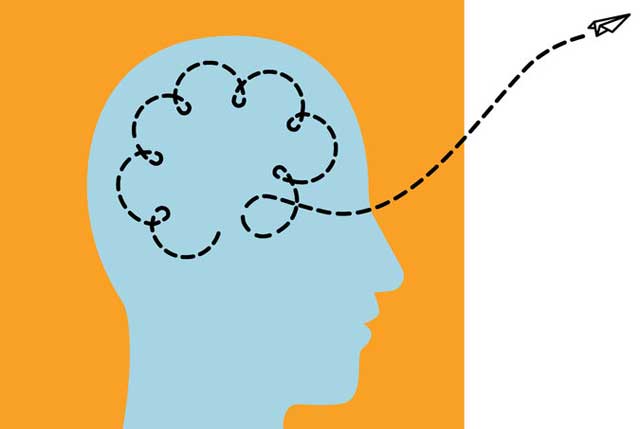
Mind-wandering may help enhance creativity, job performance and general well-being, studies show
----
Mind-wandering may help enhance creativity, job performance and general well-being, studies show
// SharpBrains
 ___
___
When writing a song or a piece of prose, I often choose to let my mind wander, hoping the muse will strike. If it does, it not only moves my work along but feels great, too!
That's why I was troubled by studies that found an association between mind-wandering and problems like unhappiness and depression—and even a shorter life expectancy. This research suggests that focusing one's thoughts on the present moment is linked to well-being, while spacing out—which I personally love to do—is not.
Now, new studies are bringing nuance to this science. Whether or not mind-wandering is a negative depends on a lot of factors—like whether it's purposeful or spontaneous, the content of your musings, and what kind of mood you are in. In some cases, a wandering mind can lead to creativity, better moods, greater productivity, and more concrete goals.
Here is what some recent research says about the upsides of a meandering mind.
Mind-wandering can make you more creative
It's probably not a big surprise that mind-wandering augments creativity—particularly "divergent thinking," or being able to come up with novel ideas.
In one study, researchers gave participants a creativity test called the Unusual Uses Task that asks you to dream up novel uses for an everyday item, like a paperclip or a newspaper. Between the first and second stages, participants either engaged in an undemanding task to encourage mind-wandering or a demanding task that took all of their concentration; or they were given a resting period or no rest. Those participants who engaged in mind-wandering during the undemanding task improved their performance much more than any of the other groups. Taking their focus off of the task and mind-wandering, instead, were critical to success.
"The findings reported here provide arguably the most direct evidence to date that conditions that favor mind-wandering also enhance creativity," write the authors. In fact, they add, mind-wandering may "serve as a foundation for creative inspiration."
As a more recent study found, mind-wandering improved people's creativity above and beyond the positive effects of their reading ability or fluid intelligence, the general ability to solve problems or puzzles.
Mind-wandering seems to involve the default network of the brain, which is known to be active when we are not engaged directly in tasks and is also related to creativity.
So perhaps I'm right to let my focus wander while writing: It helps my mind put together information in novel and potentially compelling ways without my realizing it. It's no wonder that my best inspirations seem to come when I'm in the shower or hiking for miles on end.
Mind-wandering can make you happier…depending on the content
The relationship between mind-wandering and mood may be more complicated than we thought.
In one study, researchers pinged participants on a regular basis to see what they were doing, whether or not their minds were wandering, and how they were feeling. As in an earlier experiment, people tended to be in a negative mood when they were mind-wandering. But when researchers examined the content of people's thoughts during mind-wandering, they found an interesting caveat: If participants' minds were engaged in interesting, off-task musings, their moods became more positive rather than more negative.
As the authors conclude, "Those of us who regularly find our minds in the clouds—musing about the topics that most engage us—can take solace in knowing that at least this form of mind-wandering is associated with elevated mood."
It may be that mood affects mind-wandering more than the other way around. In a similar study, researchers concluded that feeling sad or being in a bad mood tended to lead to unhappy mind-wandering, but that mind-wandering itself didn't lead to later bad moods. Earlier experiments may have conflated mind-wandering with rumination—an unhealthy preoccupation with past failures that is tied to depression.
"This study suggests that mind-wandering is not something that is inherently bad for our happiness," write the authors. Instead, "Sadness is likely to lead the mind to wander and that mind-wandering is likely to be [emotionally] negative."
A review of the research on mind-wandering came to a similar conclusion: Mind-wandering is distinct from rumination and therefore has a different relationship to mood.
Can we actually direct our mind-wandering toward more positive thoughts and away from rumination? It turns out that we can! One study found that people who engaged in compassion-focused meditation practices had more positive mind-wandering. As an added bonus, people with more positive mind-wandering were also more caring toward themselves and others, which itself is tied to happiness.
Mind-wandering may improve job performance
Taking a break from work can be a good thing—perhaps because our minds are freer to wander.
Mind-wandering is particularly useful when work is mind-numbing. In one study, participants reported on their mind-wandering during a repetitive task. Participants who engaged in more mind-wandering performed better and faster, decreasing their response times significantly. The researchers speculated that mind-wandering allowed people to go off-task briefly, reset, and see data with fresh eyes—so that they didn't miss sudden changes.
In another study, researchers aimed to figure out what parts of the brain were implicated in mind-wandering and discovered something unexpected. When their frontal lobes were stimulated with a small electrical current to boost mind-wandering, people's performance on an attention task slightly improved.
Of course, not every job calls for mind-wandering. A surgeon or a driver should stay focused on the task at hand, since mind-wandering could be detrimental to both. On the other hand, even for them it might be rejuvenating to take a mind-wandering break after their workday is over, leading to more focused attention the next time around.
Mind-wandering may help us with goal-setting
It seems like mind-wandering would be detrimental when it comes to planning for the future. In fact, some research suggests mind-wandering can improve goal-setting.
In a recent neuroscience experiment, participants did an undemanding task and reported on the content of their thoughts as researchers scanned their brains with fMRI. Afterwards, they wrote for 15 minutes about personal goals or TV programs (the control group). Then, they repeated these two tasks—the undemanding one and writing about goals or TV.
Analyzers unaware of the study's purpose were asked to assess the concreteness of participants' goal-setting and TV program descriptions. The result? People with wandering minds—who probably started musing about what they really wanted in life after the first writing session—ultimately came up with more concrete and higher-quality goal descriptions in the second session. Over the course of the experiment, their brains also showed an increase in connectivity between the hippocampus and the pre-frontal cortex—areas implicated in goal-setting.
Research has also found that, the more people engage in mind-wandering during a task, the more they are willing to wait for a reward afterwards. According to the researchers, this suggests that mind-wandering helps delay gratification and "engages processes associated with the successful management of long-term goals."
On the other hand, some research suggests mind-wandering makes us less "gritty"—or less able to stay focused on our goals to completion—especially if it is spontaneous rather than deliberate. So, it may be important to consider where you are in the process of goal creation before deciding mind-wandering would be a good idea.
None of this suggests that mind-wandering is better for us than being focused. More likely, both aspects of cognition serve a purpose. Under the right circumstances, a wandering mind may actually benefit us and possibly those around us. The trick is to know when to set your mind free.

Related articles:
- New book on how to practice mindfulness meditation with humor and playfulness
- Study: Mindful meditation works. Now, how to navigate the most popular options?
- Six tips to build resilience and prevent brain-damaging stress
----
Read in my feedly
Friday, March 02, 2018
BB (blatant brag): McGrew CHC 2009 article in Intelligence #1 (2008-2015) and top #10 all time

This was a pleasant surprise. I knew my 2009 Intelligence article was cited frequently but I never knew it was number one from 2008-2015 and it made the top 10 all time list for the journal Intelligence. I believe this is a reflection of the impact the CHC taxonomy has had. This should make my mom proud. Here is a link to the original article.
Bibliometric analysis across eight years 2008–2015 of Intelligence articles: An updating of Wicherts (2009). Article link.
Bryan J. Pesta
Abstract
I update and expand upon Wicherts' (2009) editorial in Intelligence. He reported citation counts of papers pub-lished in this journal from 1977 to 2007. All these papers are now at least a decade old, and many more new articles have been published since Wichert's analysis. An updated study is needed to help (1) quantify the journal's more recent impact on the scientific study of intelligence, and (2) alert researchers and educators to highly-cited articles; especially newer ones. Thus, I conducted a bibliometric analysis of all articles published here from 2008 to 2015. Data sources included both the Web of Science (WOS), and Google Scholar (GS). The eight-year set comprised 619 articles, published by 1897 authors. The average article had 17.0 (WOS), and 32.9 (GS) citations overall (2.75, and 5.33 citations per year, respectively). These metrics compare favorably with those from other psychology journals. In addition, a list of the most prolific authors is provided. Also reported is a list showing many articles in this set with counts greater than one hundred, and an updated top 25 list for the history of this journal.
“Also noteworthy is that nine of the articles in the old list (not shown here) dropped off the new list. Of their replacements, only three of the nine were published within the last decade: Deary, Strand, Smith, and Fernandes (2007); McGrew (2009), and Strenze (2007). The McGrew (2009) paper is again notable. It is the only article in my newer set (2008–2015) to make the all-time list. The paper ranks ninth on the all-time list with 281 citations, just eight years after being published.”
More recent Google Scholar citation info indicates that the article is still going strong from 2016-2017.

Click on images to enlarge.


- Posted using BlogPress from my iPad
Monday, February 26, 2018
The 50 Most Influential Living Psychologists in the World
I guess I need to work harder.....jk 😀
The 50 Most Influential Living Psychologists in the World
The word "psychology" literally means the study of the soul (psukhē, in Greek). As such, it is an academic discipline that is unique in the…
Read it on Flipboard
Read it on thebestschools.org
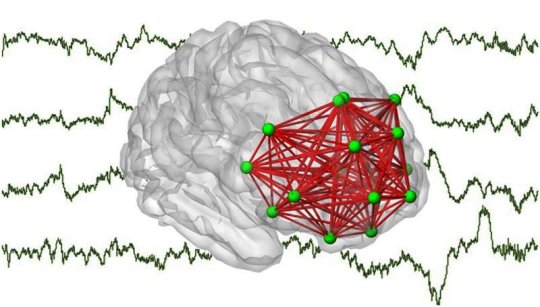
Preterm birth leaves its mark in the functional networks of the brain
Damage is in the most important brain network for higher cognition

Preterm birth leaves its mark in the functional networks of the brain
Researcher have demonstrated that premature birth has a significant and, at the same time, a very selective effect on the…
Read it on Flipboard
Read it on sciencedaily.com
Wednesday, February 21, 2018
Your ability to focus has probably peaked: Here’s how to stay sharp

Your ability to focus has probably peaked: Here's how to stay sharp
From Brain, a Flipboard magazine by Jordanna Manor
Having a hard time focusing lately? You're not alone. Research shows interruptions occur about every twelve minutes in the workplace…
Read it on Flipboard
Read it on theladders.com
******************************************************
Kevin McGrew, PhD
Educational Psychologist
Director, Institute for Applied Psychometrics
IAP
******************************************************
Tuesday, February 20, 2018
The Five Secrets of Brain Health
Dr. Lieff is an excellent thinker and writer worth following
The Five Secrets of Brain Health
The brain is a 3-pound organ in our body, which, like any other organ, can be healthy or unhealthy. Uniquely, the brain is intertwined with our mind, emotions,…
Read it on Flipboard
Read it on jonlieffmd.com
Sunday, February 18, 2018
BrainFacts2

BrainFacts2
From Twitter, a Flipboard magazine by BrainFacts.org
Thinking, Sensing & Behaving Diseases & Disorders BrainFacts/SfN • 4 min BrainFacts/SfN • 5 min Brain Anatomy & Function BrainFacts/SfN BrainFacts/SfN Neuroscience in Society
Read it on Flipboard
Read it on brainfacts.org
Sunday, February 11, 2018
Closing the achievement gap the intelligent way | THE Opinion

******************************************************
Kevin McGrew, PhD
Educational Psychologist
Director, Institute for Applied Psychometrics
IAP
www.themindhub.com
******************************************************
Subscribe to:
Posts (Atom)